Journal · 3 min read
What does ziyara mean? Visiting the saints in Morocco
By Nūr Morocco ·
In short
Ziyara (زيارة) is Arabic for “visit”. In Muslim devotion it names the visit to the Prophet’s mosque in Medina, to the graves of family and of the righteous and, in Morocco, to the tombs and zawiyas of the saints. A ziyara is made with adab: greeting the dead, reciting al-Fatiha, praying to God, giving charity and remembering the hereafter.
The word and its meaning
Ziyara comes from the Arabic root z-w-r, to visit. The Prophet ﷺ encouraged the visiting of graves as a reminder of the hereafter. “I had forbidden you from visiting graves, but now visit them,” he said, in a hadith recorded by Muslim.
From this grew a widespread practice: Muslims visit the graves of their families, of scholars and of people known for their piety, and pray for them.
Ziyara in Morocco
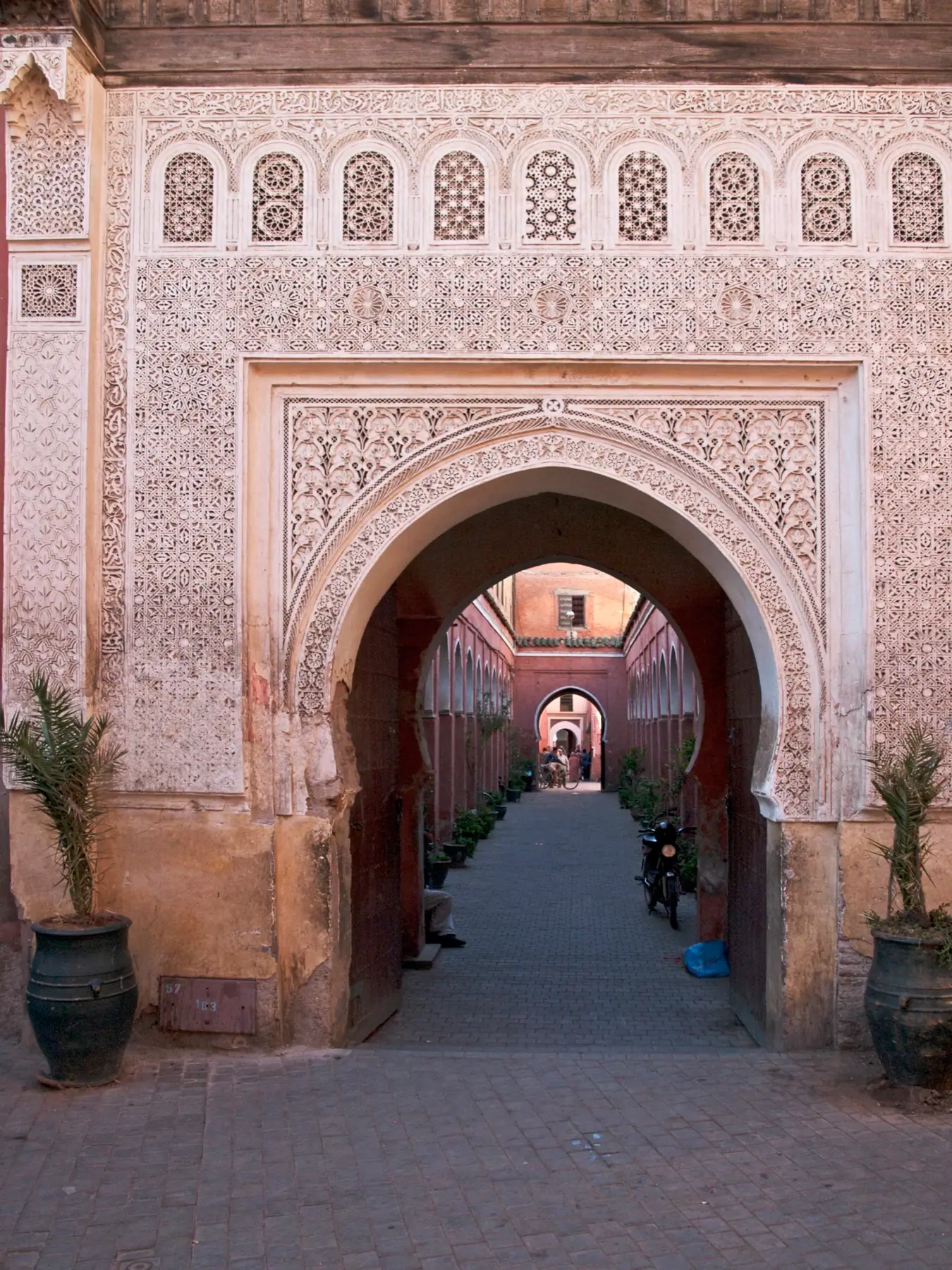
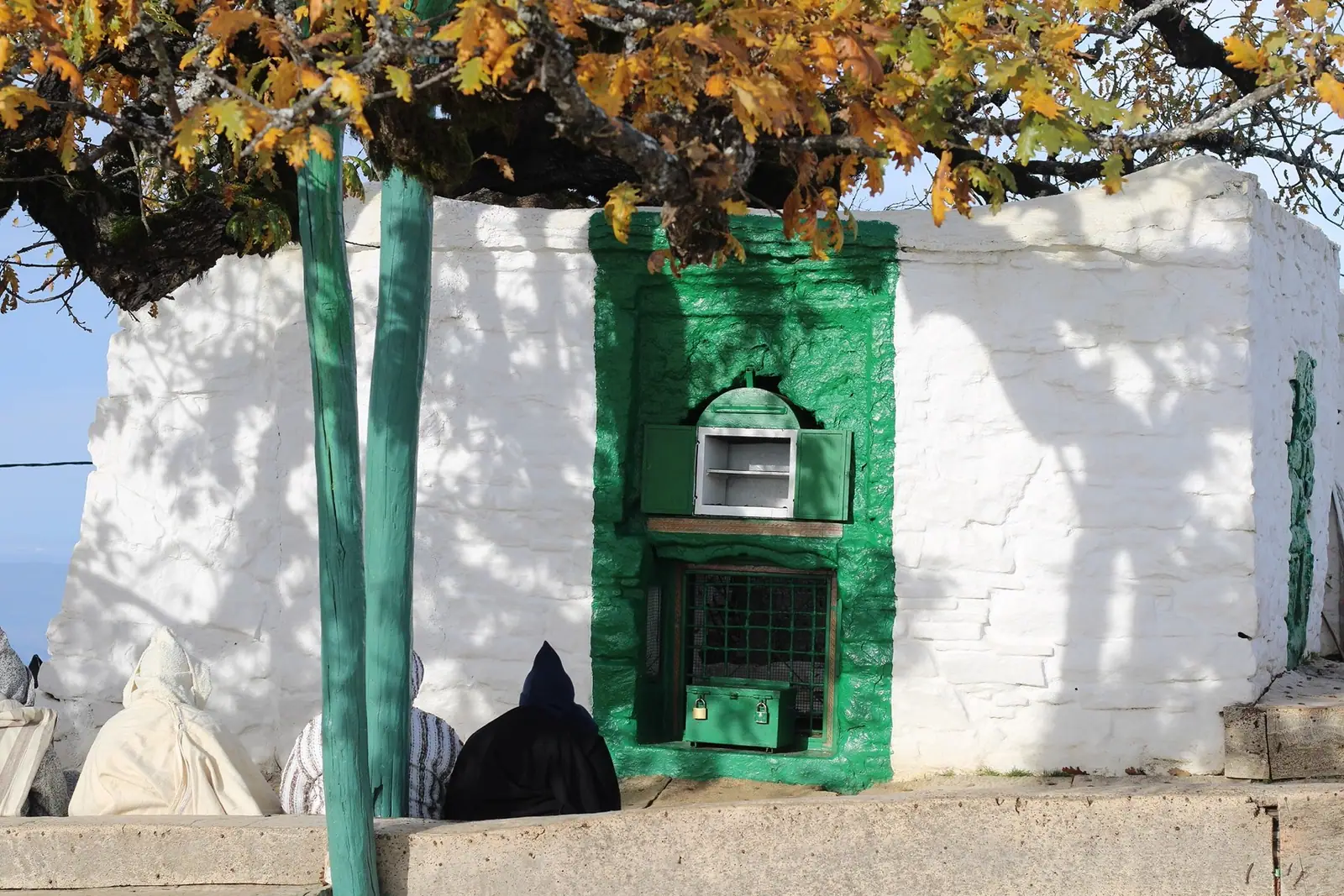
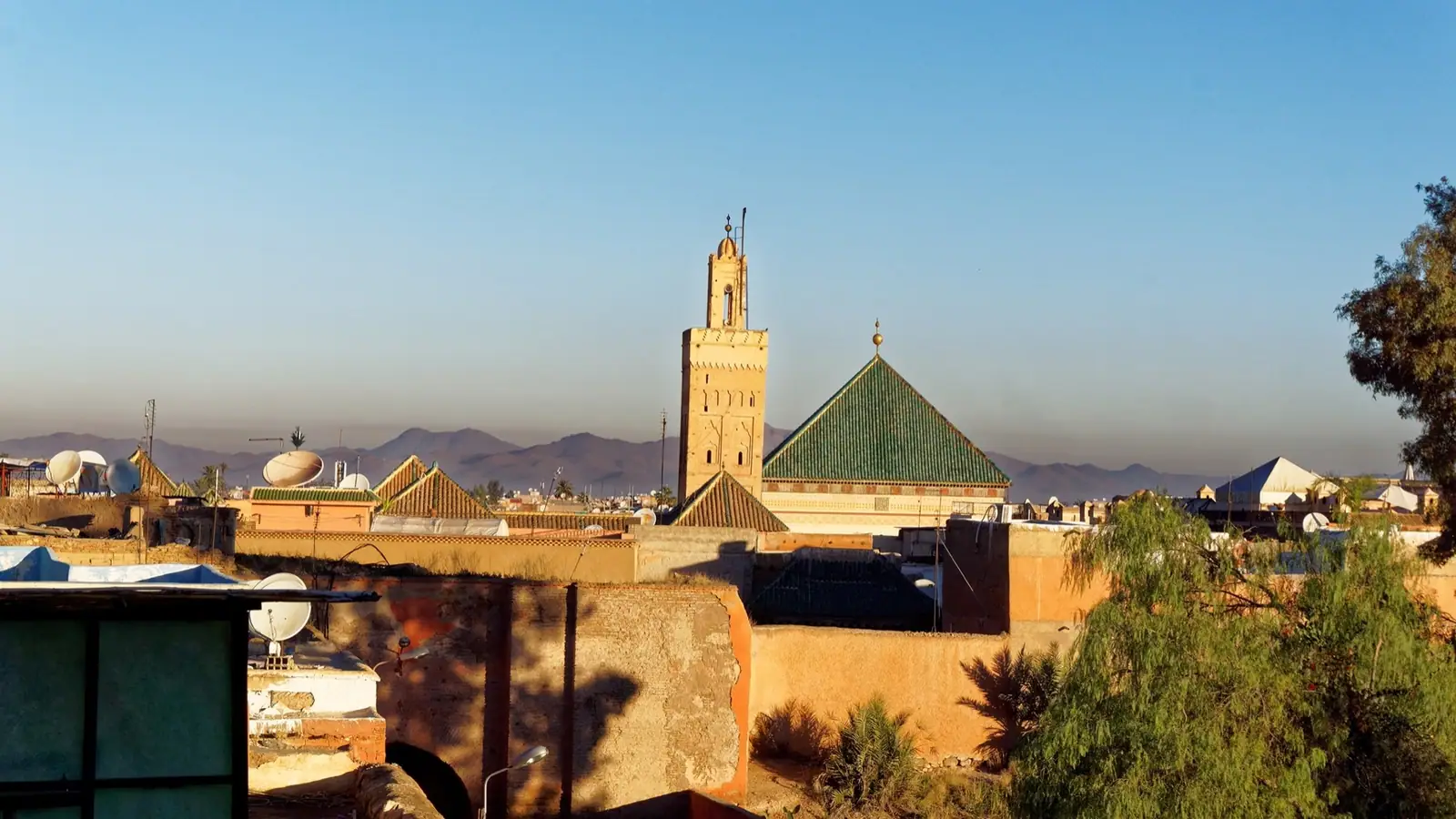
Morocco has a dense map of saints, the awliyāʾ, many of them scholars, ascetics and masters of Sufi paths. Their tombs, often within a zawiya, are visited all year, and many hold an annual moussem that brings together pilgrims, recitation, music and markets.
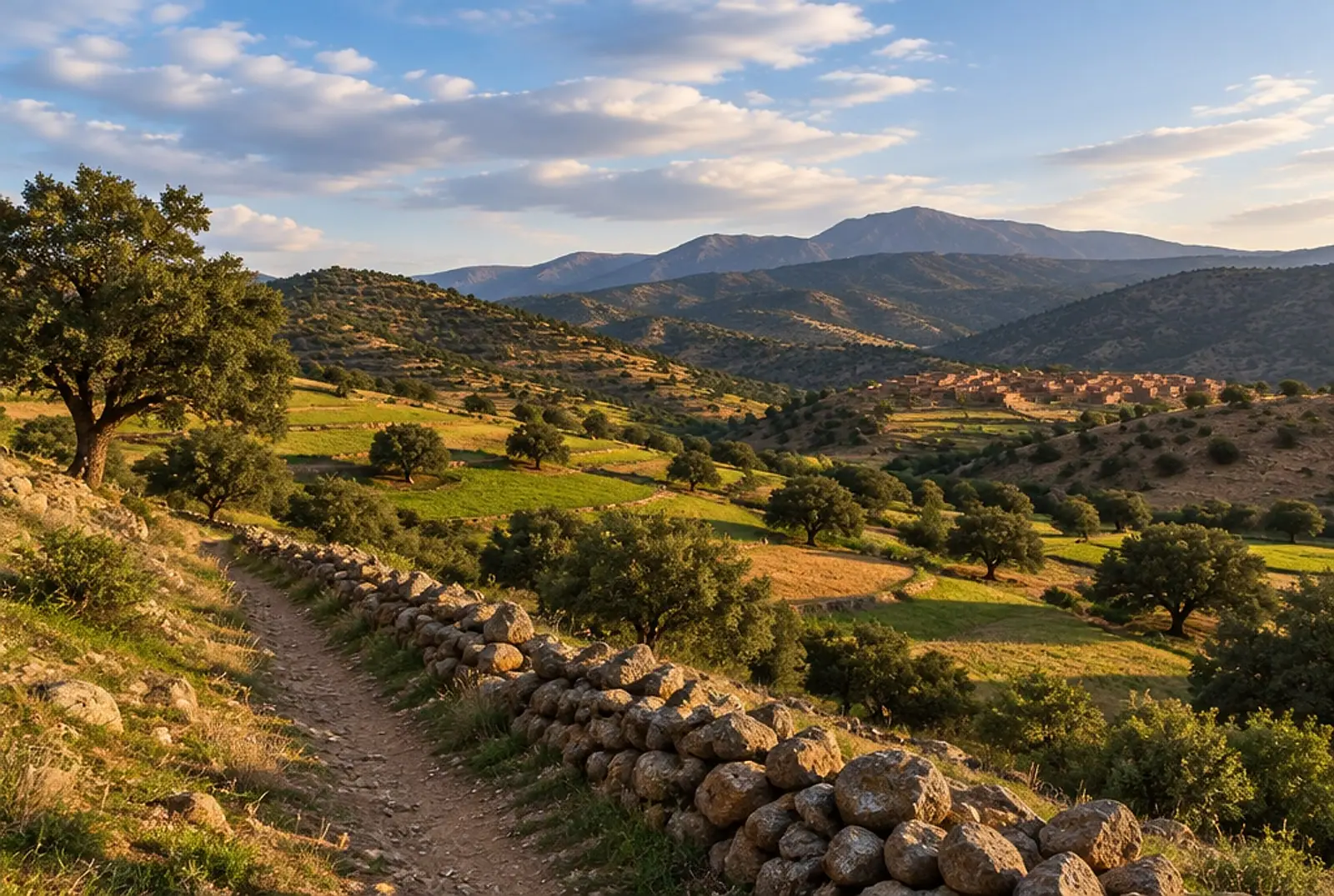
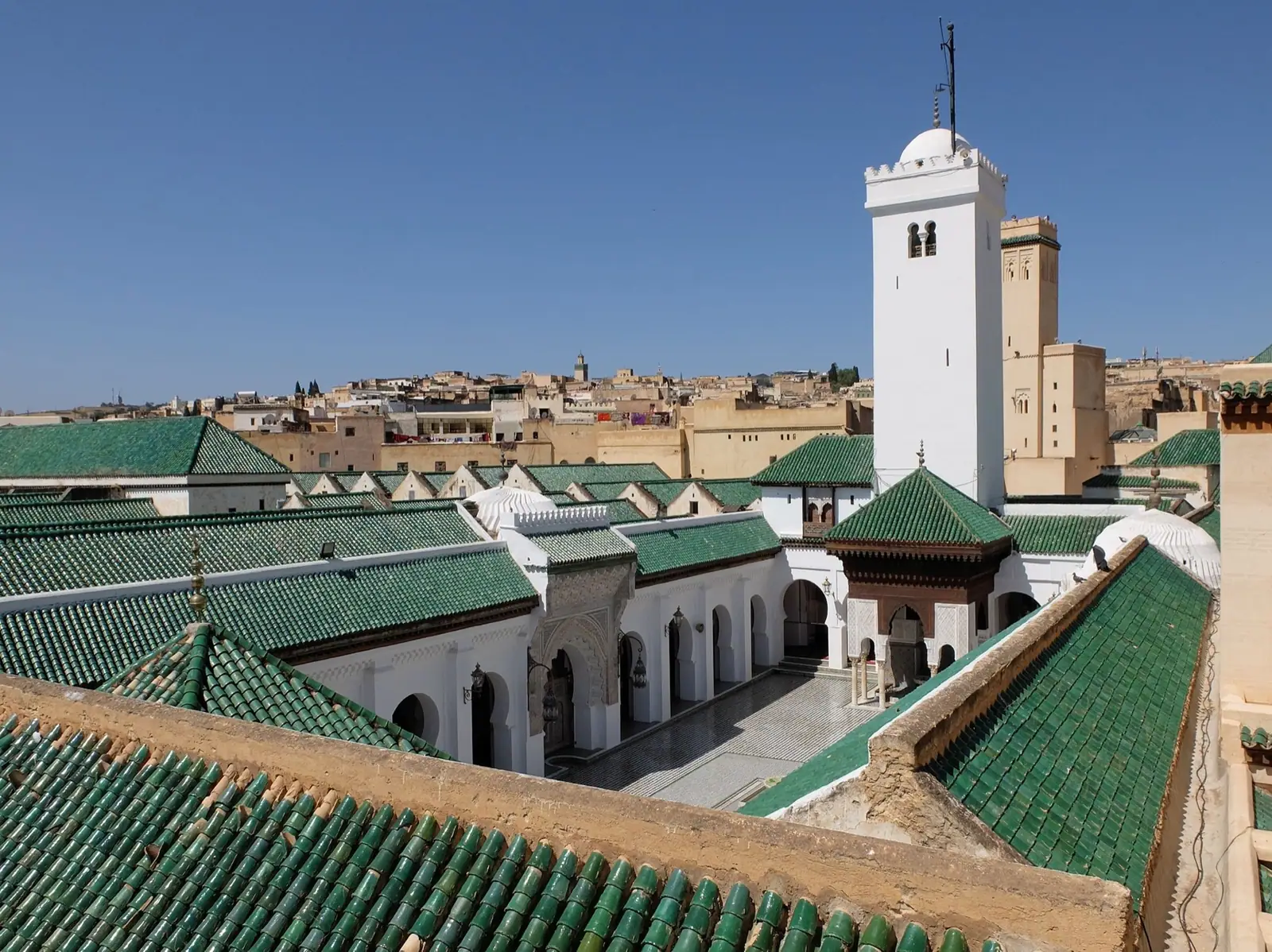
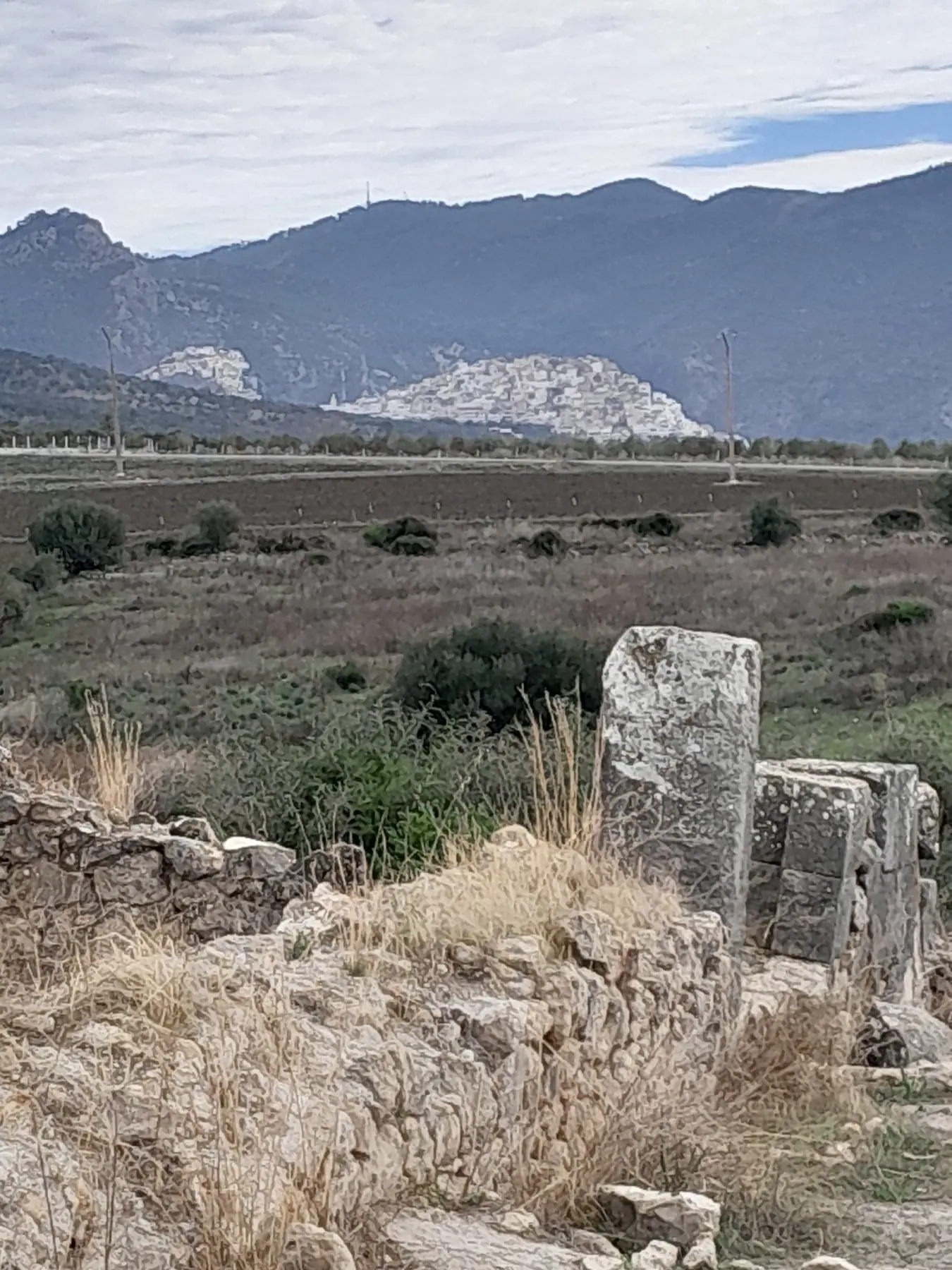
Some ziyaras are a journey in their own right: the Seven Saints of Marrakech, visited in a fixed order; the sanctuary of Idris I at Moulay Idriss Zerhoun; the darih of Moulay Idriss II in Fez; and Jbel Alam, the mountain of Moulay Abdessalam Ibn Mashish.
The adab of a ziyara
- Come with a clear intention: to remember death, to pray for the dead and to draw closer to God.
- Dress modestly; women cover their hair; remove your shoes where indicated.
- Greet the people of the graves: as-salāmu ʿalaykum, people of this abode.
- Recite al-Fatiha and other passages of the Qur’an, and pray for the one you visit.
- Address your prayers to God.
- Give charity, keep your voice low, and follow the custodian’s guidance.
How scholars view the ziyara
Visiting graves is part of the Sunna and is accepted across the Muslim world. Practices around saints’ tombs are more debated: many scholars, especially in the Sufi tradition, hold that seeking blessing (baraka) at the resting places of the righteous is legitimate, while others reject anything that could resemble asking the dead rather than God. In Morocco, ziyara is part of the country’s religious life, and the Ministry of Habous and Islamic Affairs oversees many of its shrines and zawiyas.
On our retreats the ziyara follows the adab above. Guests on the devotional track pray at the tombs; guests on the open track learn the history and meaning of each place and visit with quiet respect.
Ziyara and the Shadhili path
For followers of the Shadhili path, the ziyara of its masters has a particular meaning: Jbel Alam, where Ibn Mashish taught al-Shadhili; the tomb of Imam al-Jazuli in Marrakech; the zawiyas of the Darqawi branch in the North. Our retreats follow that chain on the ground, and visit other great shrines of Moroccan Sufism besides: Moulay Bouazza, the Sharqawi zawiya of Boujad and the Nasiri zawiya of Tamegroute.
Questions
What does ziyara mean?
Ziyara is Arabic for “visit”. In Muslim devotion it means visiting the Prophet’s mosque in Medina, the graves of family and of the righteous and, in Morocco, the tombs and zawiyas of the saints.
Is ziyara allowed in Islam?
Visiting graves is part of the Sunna: the Prophet ﷺ encouraged it as a reminder of the hereafter. Scholars differ on some practices at saints’ tombs, and the ziyara is made with adab, addressing prayers to God.
What is the difference between a ziyara and a moussem?
A ziyara is any visit to a saint’s tomb. A moussem is the annual festival held at many shrines, with gatherings, recitation and often a market.
What do you say when visiting a grave?
A greeting to the people of the graves, as-salāmu ʿalaykum, followed by al-Fatiha and prayers for the deceased.