Journal · 4 min read
Morocco for Muslim travellers: a practical guide
By Nūr Morocco ·
In short
Morocco is an almost entirely Muslim country and one of the easiest places in the world for Muslim travellers. The call to prayer is heard everywhere, mosques are never far, almost all meat is halal, and Ramadan and the Eids shape the national calendar. Its Islam follows the Maliki school of law, the Ashʿari creed and the Sufism of al-Junayd, and it is open and welcoming to visitors.
Islam in Morocco
Islam is the religion of the state, and the King holds the title of Commander of the Faithful (Amīr al-Muʾminīn). Moroccan religious life rests on three pillars: the Maliki school of law, the Ashʿari creed and the Sufism of al-Junayd. The Ministry of Habous and Islamic Affairs oversees the mosques, many zawiyas and shrines, and publishes the official prayer times.
Practice is visible but not severe. Many women cover their hair and many do not; alcohol is sold in licensed hotels, restaurants and shops but is absent from most of daily life. Visitors are expected to be respectful rather than to follow a code.
Mosques and prayer
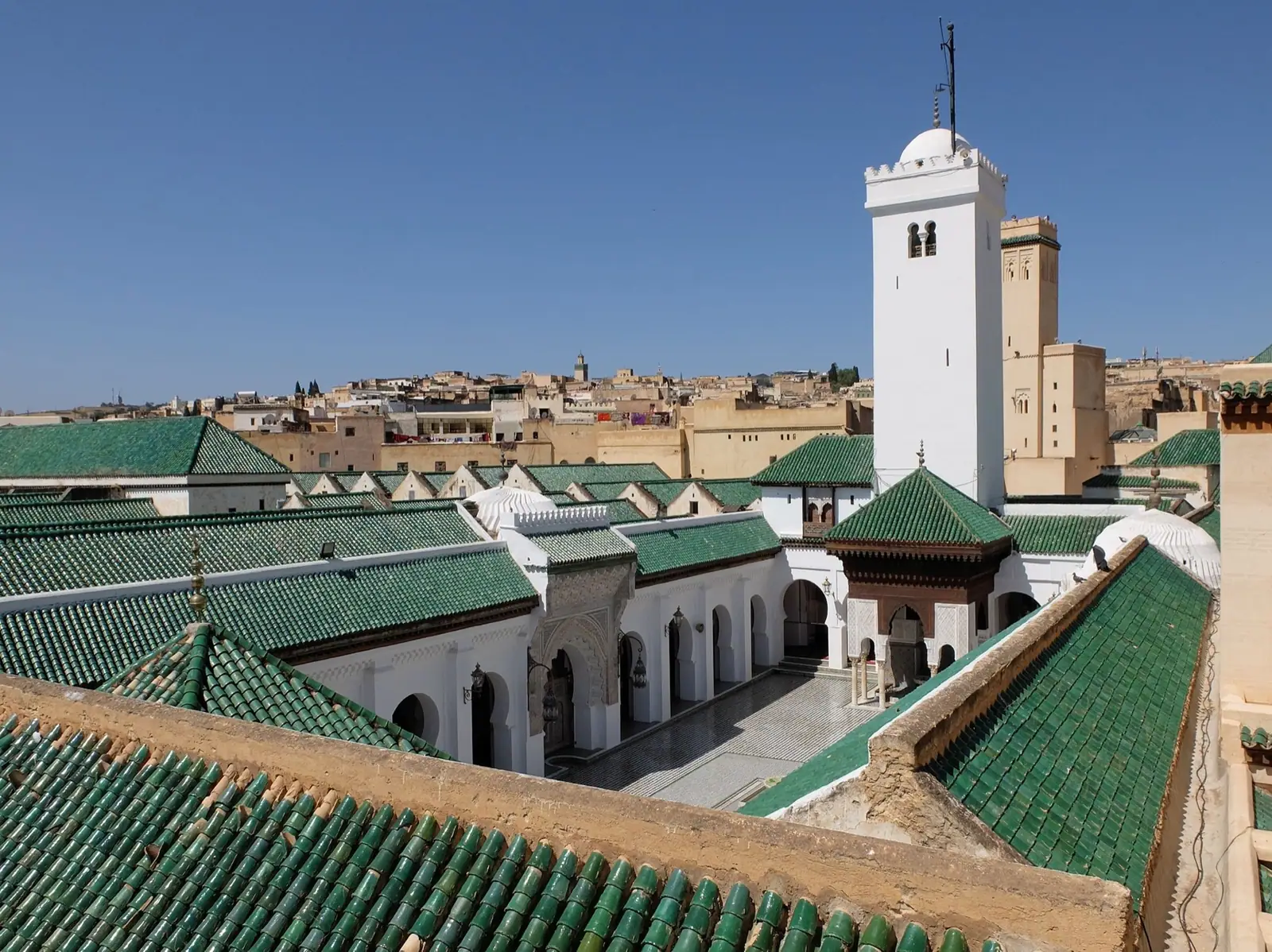
You will find a mosque within walking distance almost anywhere in a Moroccan city, and in every village. Most have a space for women, often with its own entrance. The Friday prayer (jumuʿa) is the high point of the week; some shops close around midday on Friday.
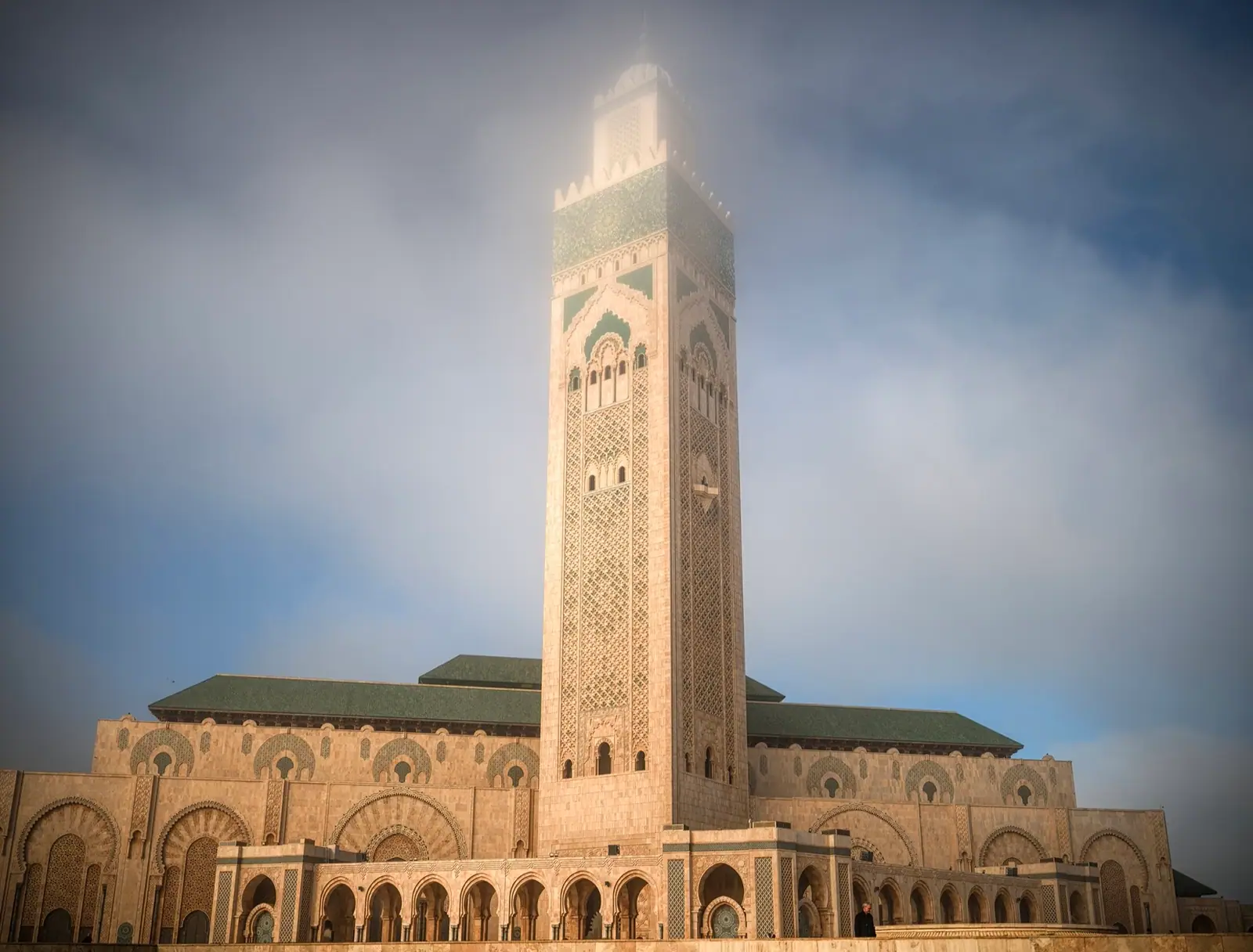
Most mosques in Morocco are open to Muslims only. The great exception is the Hassan II Mosque in Casablanca, which offers guided tours to every visitor outside prayer times. If you are Muslim, simply join the prayer; nobody will ask for proof.
Halal food
Almost all meat sold in Morocco is halal, in markets, restaurants and hotels alike. Dishes to look for: tagine, couscous (traditionally on Friday), harira soup, pastilla, and mint tea everywhere. If you want to avoid alcohol entirely, ask whether a restaurant serves it: many family restaurants and cafés do not. On our retreats, tell us your dietary needs when you enquire.
Travelling during Ramadan
Ramadan transforms the country. During the day many cafés and restaurants close or open only for visitors, offices and shops keep shorter hours, and the streets are quiet in the afternoon. At sunset the whole country breaks the fast together, usually with harira, dates and chebakia, and the nights fill with the tarāwīḥ prayer and life in the streets.
Moroccan law forbids Muslims to eat in public during fasting hours; travellers who are not fasting eat in hotels or in the restaurants that stay open. Morocco moves its clocks back to GMT during Ramadan. Ramadan 2027 is expected to begin around 8 February 2027, depending on the sighting of the moon; Morocco often begins a day after the Gulf states.
What to wear
There is no legal dress code. Modest clothing, covering shoulders and knees, is respected everywhere and is required at mosques and shrines, where women also cover their hair and everyone removes their shoes where indicated. A light scarf and comfortable shoes that slip on and off easily are the two most useful things to pack.
Women and families
Women travel in Morocco alone, with friends and with family, and no mahram is required by law. As anywhere, choose reputable accommodation and transport, and expect occasional attention in busy medinas; a guide makes a crowded souk much easier. Families with children are warmly received, and Moroccans are very fond of children.
Visiting shrines and zawiyas
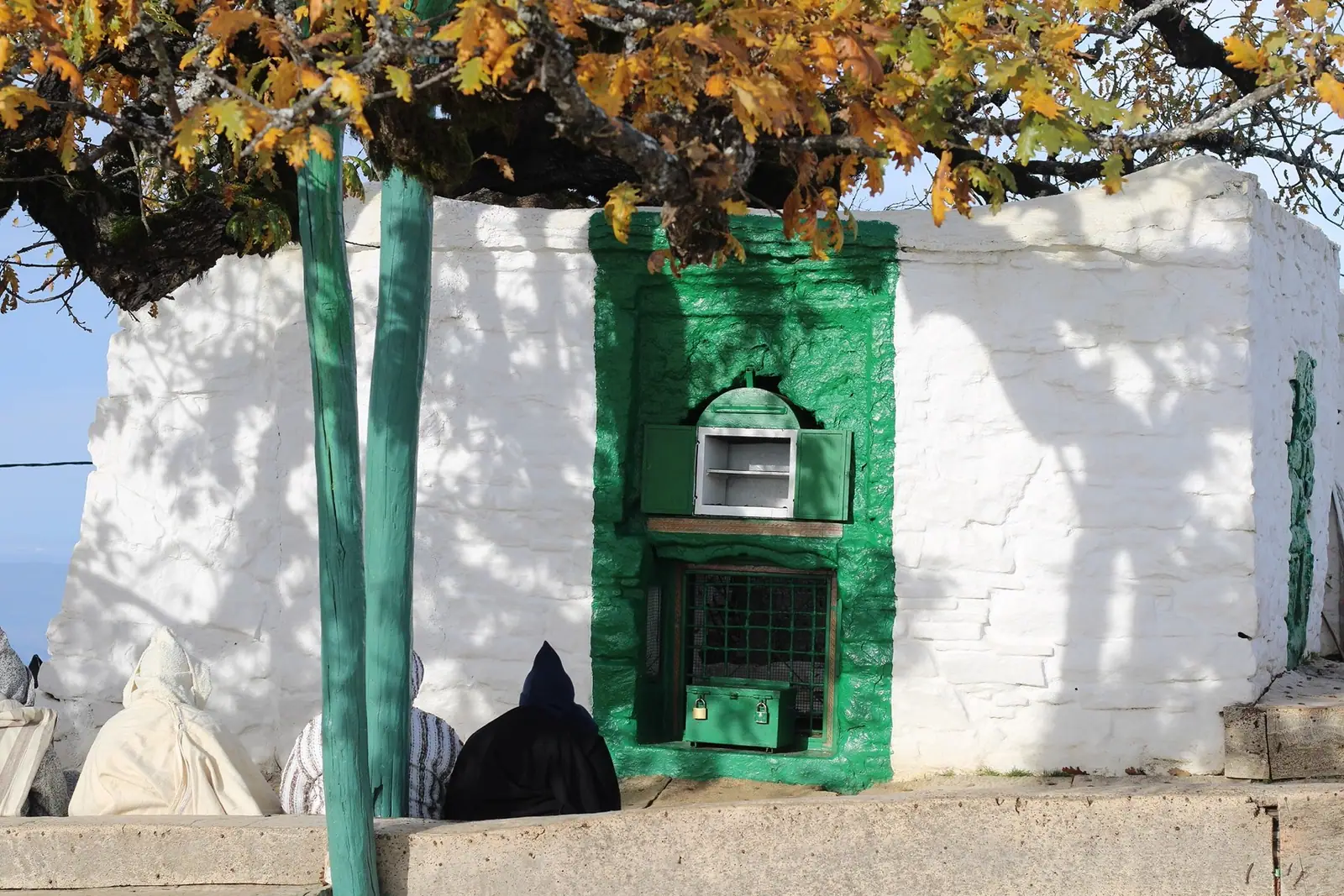
Morocco has a dense map of saints’ tombs and zawiyas, from the Seven Saints of Marrakech to Moulay Idriss II in Fez and Jbel Alam in the North. Many interiors are reserved for Muslim visitors. Visit outside prayer times, greet the people of the graves, recite al-Fatiha, address your prayers to God, and follow the custodian’s guidance. Our guide to the meaning of ziyara explains the adab in full.
Visas, money and safety
- Visas: citizens of the United States, the United Kingdom and the European Union can visit for up to 90 days without a visa. Other nationalities should check Morocco’s official e-visa portal.
- Money: the dirham (MAD) is a closed currency, so withdraw cash on arrival. Keep small notes for charity at mosques and shrines.
- Safety: Morocco is visited by millions of travellers every year. Read your own government’s travel advice before you go, such as GOV.UK in Britain or the U.S. State Department, and travel with insurance.
- Greetings: as-salāmu ʿalaykum opens every conversation, and a little Darija or French goes a long way.
Questions
Is Morocco a Muslim country?
Yes. Islam is the state religion and almost all Moroccans are Muslim. Morocco follows the Maliki school of law, the Ashʿari creed and the Sufism of al-Junayd.
Is food in Morocco halal?
Almost all meat sold in Morocco is halal, in markets, restaurants and hotels. Some hotels and restaurants serve alcohol; family restaurants and most cafés do not.
Does Ramadan affect tourists in Morocco?
Yes, in a good way for many. Some cafés and restaurants close during the day and hours are shorter, but evenings are lively and the atmosphere is unique. Hotels and some restaurants keep serving travellers who are not fasting.
Can Muslim visitors pray in any mosque in Morocco?
Yes. Muslims can join the prayer in any mosque. Most mosques are closed to non-Muslims, except the Hassan II Mosque in Casablanca, which runs guided tours.
Is Morocco a strict Muslim country?
Practice is visible but not severe. There is no legal dress code for visitors and alcohol is sold in licensed places. Modest dress is expected at mosques and shrines, and Muslims are expected not to eat in public during Ramadan fasting hours.