Journal · 3 min read
Sacred Fez: a guide to its Sufi shrines and zawiyas
By Nūr Morocco ·
In short
Fès el-Bali has been a city of scholars and saints for twelve centuries. Its most visited shrines are the darih of Moulay Idriss II, the city’s founder, and the zawiya of Sidi Ahmed al-Tijani, founder of the Tijani order. Around them stand al-Qarawiyyin, founded in 859, the great madrasas and the zawiyas of the Shadhili orders. Most interiors are reserved for Muslims; the madrasas are open to all.
Moulay Idriss II, founder of Fez
Idris II, son of Moulay Idriss I, founded Fez in the early ninth century. His darih stands at the heart of the medina, inside a sacred precinct (ḥorm) where, by tradition, people could once seek sanctuary. The mausoleum as it stands today was largely rebuilt in the eighteenth century, and it remains the spiritual centre of the city; the lanes around it are lined with sellers of candles and incense.
Al-Qarawiyyin
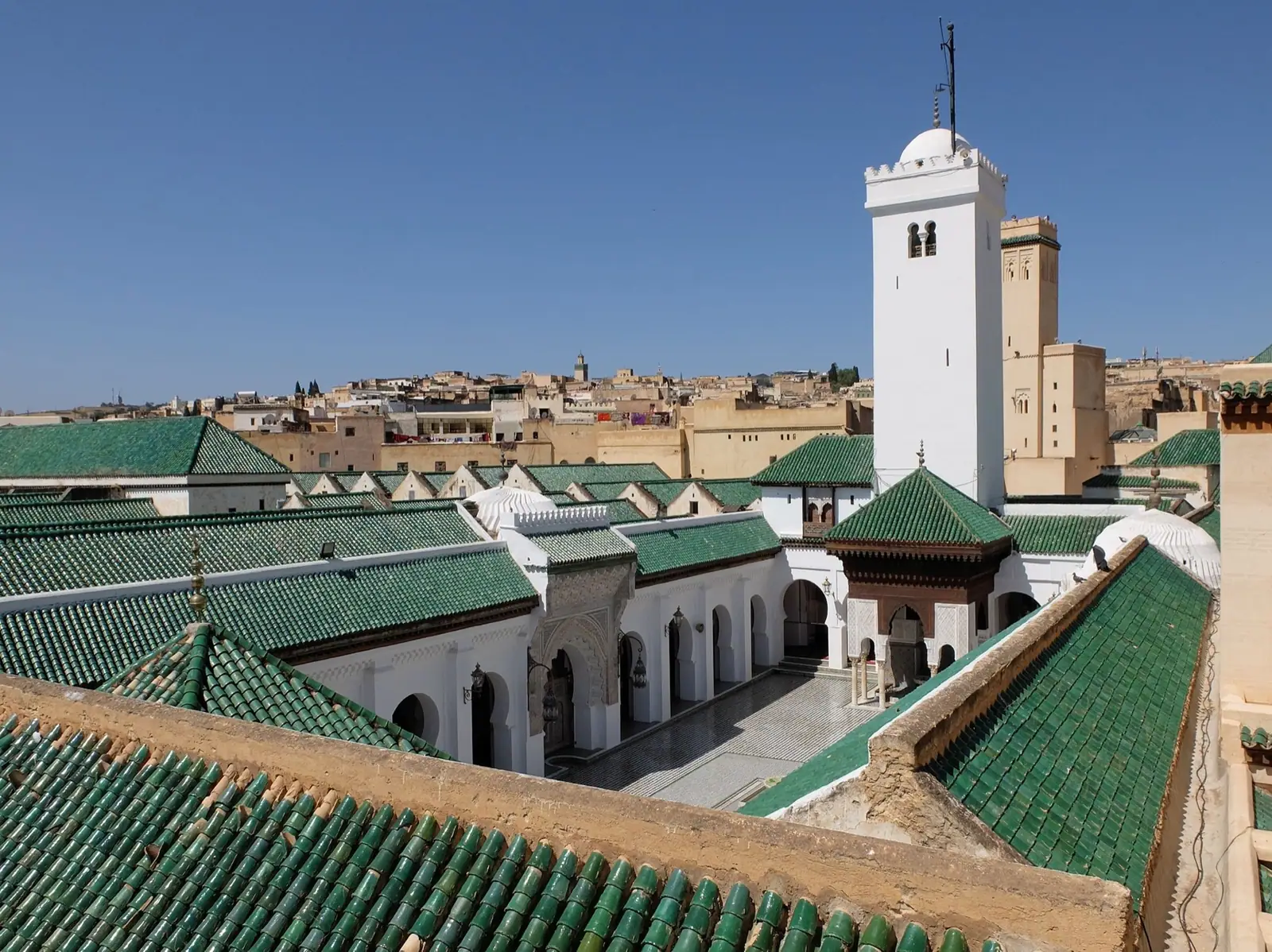
Founded in 859 by Fatima al-Fihri, al-Qarawiyyin grew from a neighbourhood mosque into one of the great centres of learning of the Islamic world; UNESCO and Guinness World Records describe it as the oldest continually operating university. Abu al-Hasan al-Shadhili studied in Fez before he set out to find his master. The prayer hall is open to Muslims; every visitor can look into the courtyard from its doorways.
The Tijani zawiya
Sidi Ahmed al-Tijani (1737–1815) founded the Tijaniyya, one of the most widespread Sufi orders in West Africa, and is buried in his zawiya in Fez. Pilgrims from Senegal, Mali, Nigeria and beyond come here throughout the year. The Tijaniyya is a separate path from the Shadhiliyya; we include its zawiya because it is one of the great living Sufi centres of the city.
The Shadhili heritage of Fez
Fez is part of the Shadhili story too. Besides al-Shadhili’s years of study here, the city formed great Shadhili masters, among them Ahmad Zarruq (1442–1493), who grew up and studied in Fez, and, centuries later, Sidi Ali al-Jamal, teacher of Moulay al-Arbi al-Darqawi, whose renewal of the path spread across northern Morocco. Zawiyas of Shadhili orders still hold gatherings in the old city; on our Fez retreat we arrange an evening of dhikr with one of them for each date.
Sidi ʿAbd al-ʿAziz al-Dabbagh
Sidi ʿAbd al-ʿAziz al-Dabbagh (d. 1719) was an unlettered master of Fez whose sayings were gathered by his disciple Ahmad ibn al-Mubarak al-Lamati in al-Ibrīz, one of the most widely read books of Moroccan Sufism. His tomb in Fez is still visited by many.
Madrasas open to every visitor
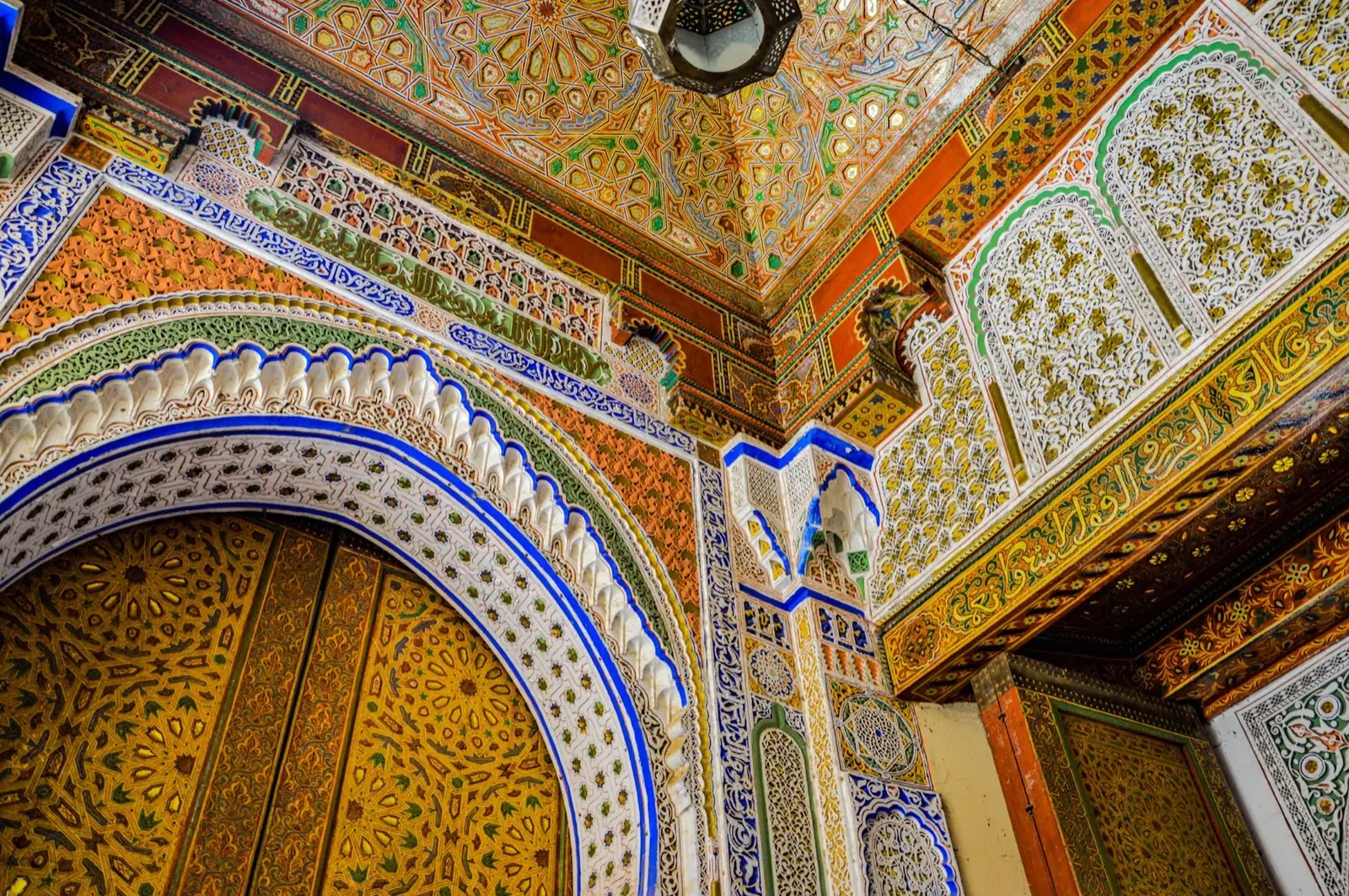
The Bou Inania and Attarine madrasas, built in the fourteenth century under the Marinids, housed students of al-Qarawiyyin. Both are open to all visitors and show the carved cedar, stucco and zellige of Fez at their finest.
Etiquette in sacred Fez
Most mosques and zawiyas in Fez are reserved for Muslim visitors and close at prayer times; other visitors see them from the doorways or walk the quarter with a guide. Dress modestly, lower your voice in the ḥorm, and ask before photographing people.
Beyond the city: Moulay Idriss Zerhoun
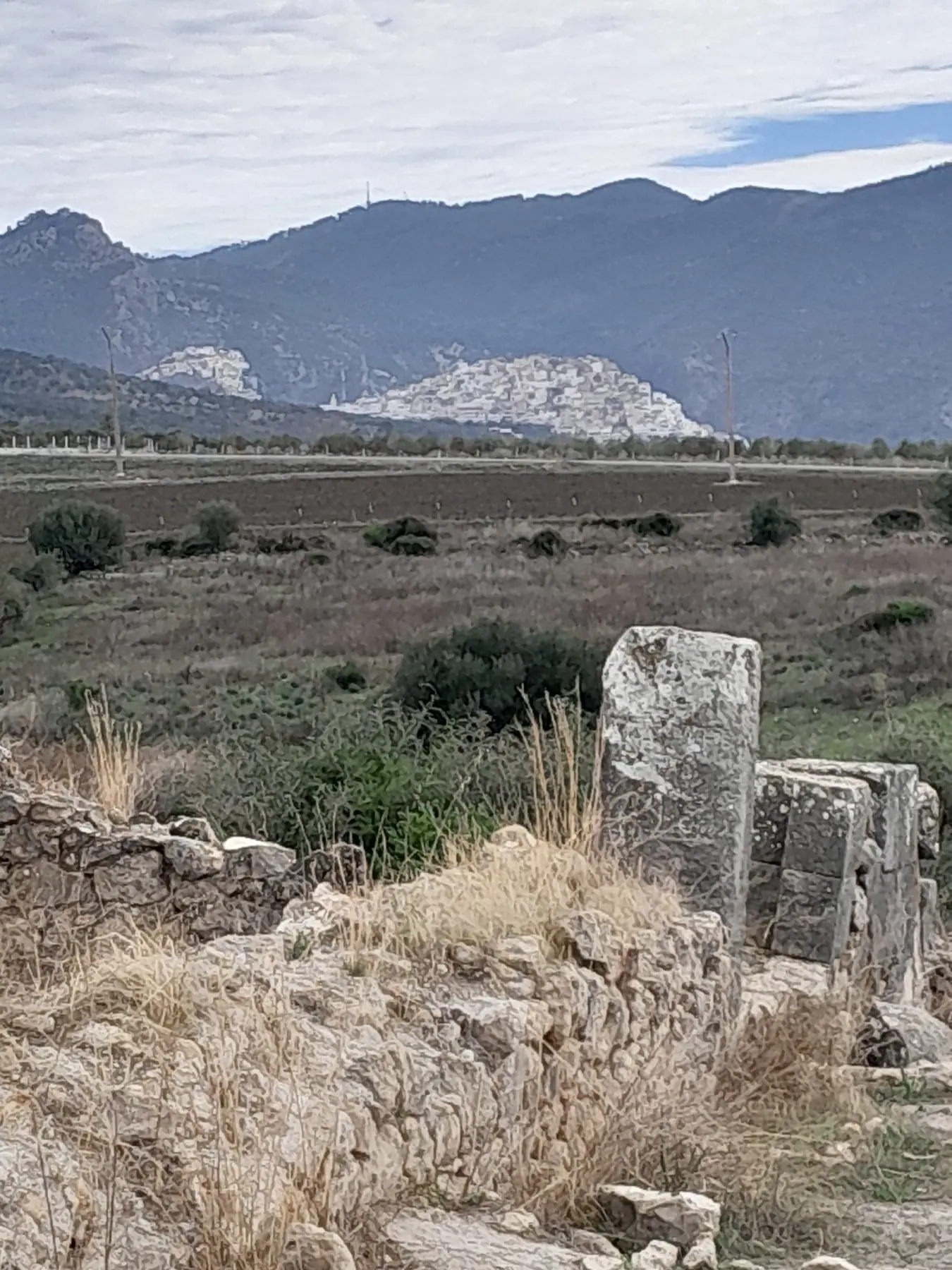
An hour and a half west, the hill town of Moulay Idriss Zerhoun holds the sanctuary of Idris I, founder of the dynasty, above the Roman ruins of Volubilis. The ziyara to Zerhoun is part of our six-day Fez and Meknes retreat, which also visits the saints of Meknes, Sidi ʿAbd al-Rahman al-Majdhub and al-Shaykh al-Kamil, Sidi Muhammad ibn ʿIsa. A day trip from Fez also goes there.
Questions
What are the main Sufi shrines in Fez?
The darih of Moulay Idriss II, the city’s founder, and the zawiya of Sidi Ahmed al-Tijani, with the zawiyas of the Shadhili orders in the old city. Al-Qarawiyyin, founded in 859, stands nearby.
Can non-Muslims enter the shrine of Moulay Idriss II?
No; the interior is reserved for Muslims. Every visitor can see the entrance and walk the surrounding quarter with a guide.
Is the Tijani zawiya in Fez Shadhili?
No. The Tijaniyya, founded by Sidi Ahmed al-Tijani (1737–1815), is a separate Sufi path. Its zawiya in Fez is one of the city’s great pilgrimage places.
How many days do I need for sacred Fez?
One full day covers Moulay Idriss II, al-Qarawiyyin, the Tijani zawiya and the madrasas. Our six-day Fez and Meknes retreat adds Sidi ʿAbd al-ʿAziz al-Dabbagh, Sidi ʿAli al-Jamal, Moulay Idriss Zerhoun and the saints of Meknes, with evenings of remembrance and time for reading and rest.